🧪 Product Name:
Polyethylene Glycol
🔬 Scientific Name:
Polyethylene Oxide / Polyethylene Glycol
🏷️ Trade Name(s):
PEG 200, PEG 400, PEG 600, PEG 1000, PEG 3350, PEG 4000, PEG 6000, PEG 8000 (based on molecular weight)
⚛️ Chemical Formula:
H(OCH₂CH₂)nOH
🧾 CAS No.:
25322-68-3
📦 HS Code:
3907.20.00
📘 Product Description:
Polyethylene Glycol (PEG) is a nonionic, water-soluble polymer obtained through polymerization of ethylene oxide. Available in a wide range of molecular weights, PEGs are used in pharmaceuticals, cosmetics, food, lubricants, paints, antifreeze, and more. Their excellent biocompatibility and low toxicity make them ideal for sensitive applications.
⚗️ Physical & Chemical Properties:
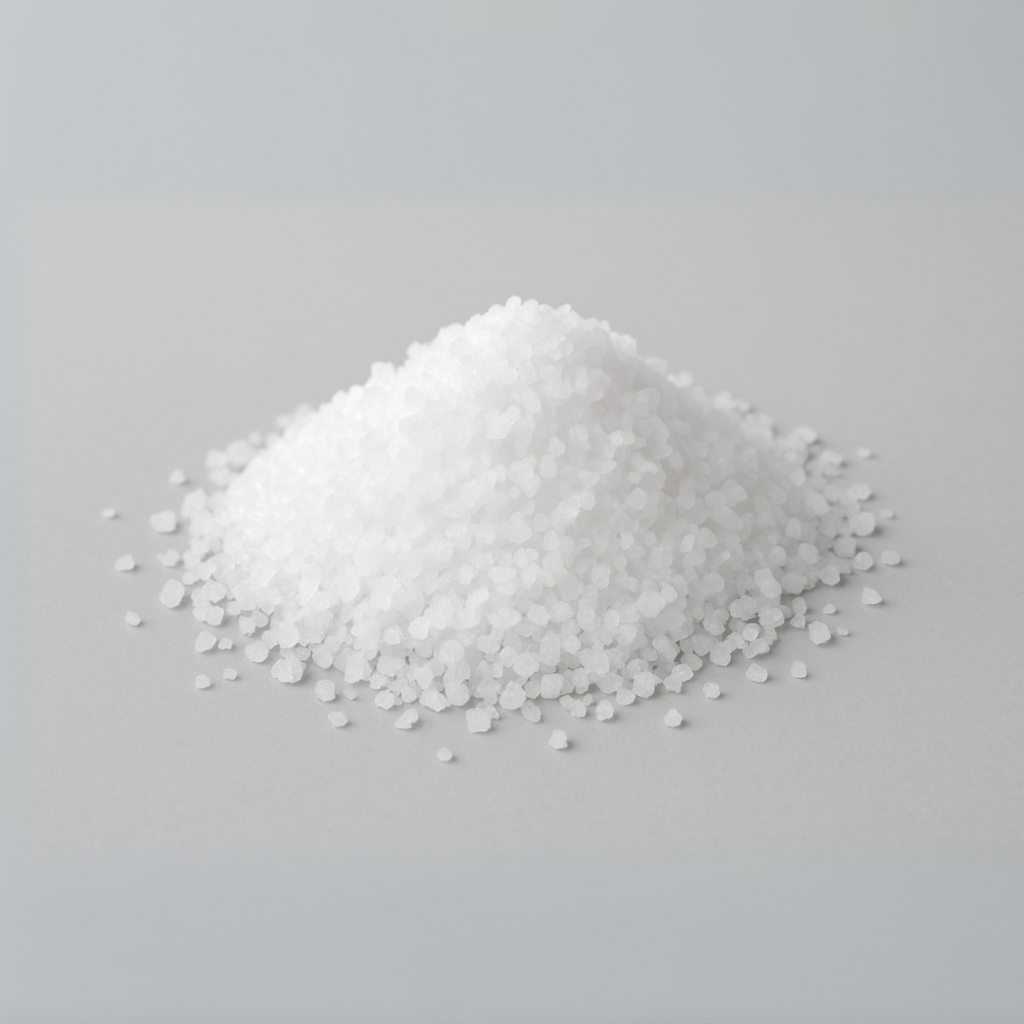
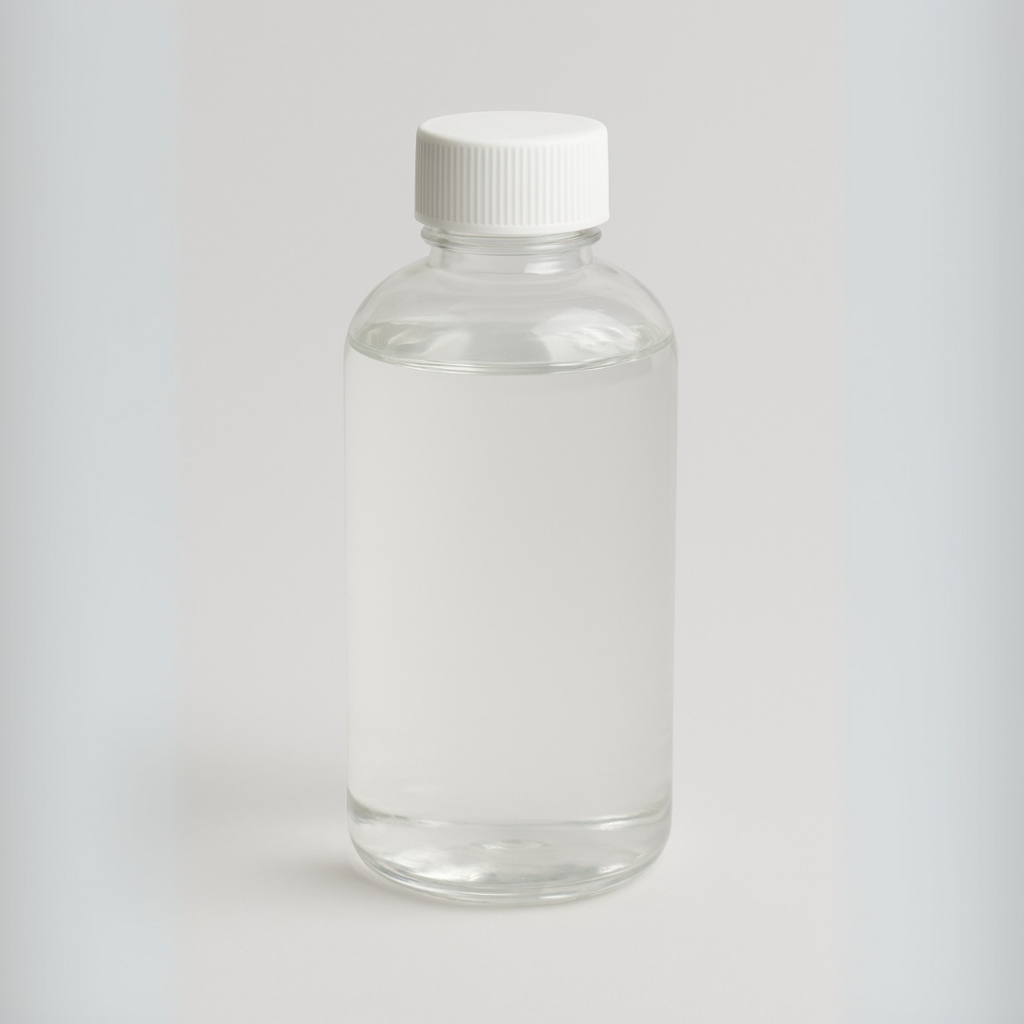
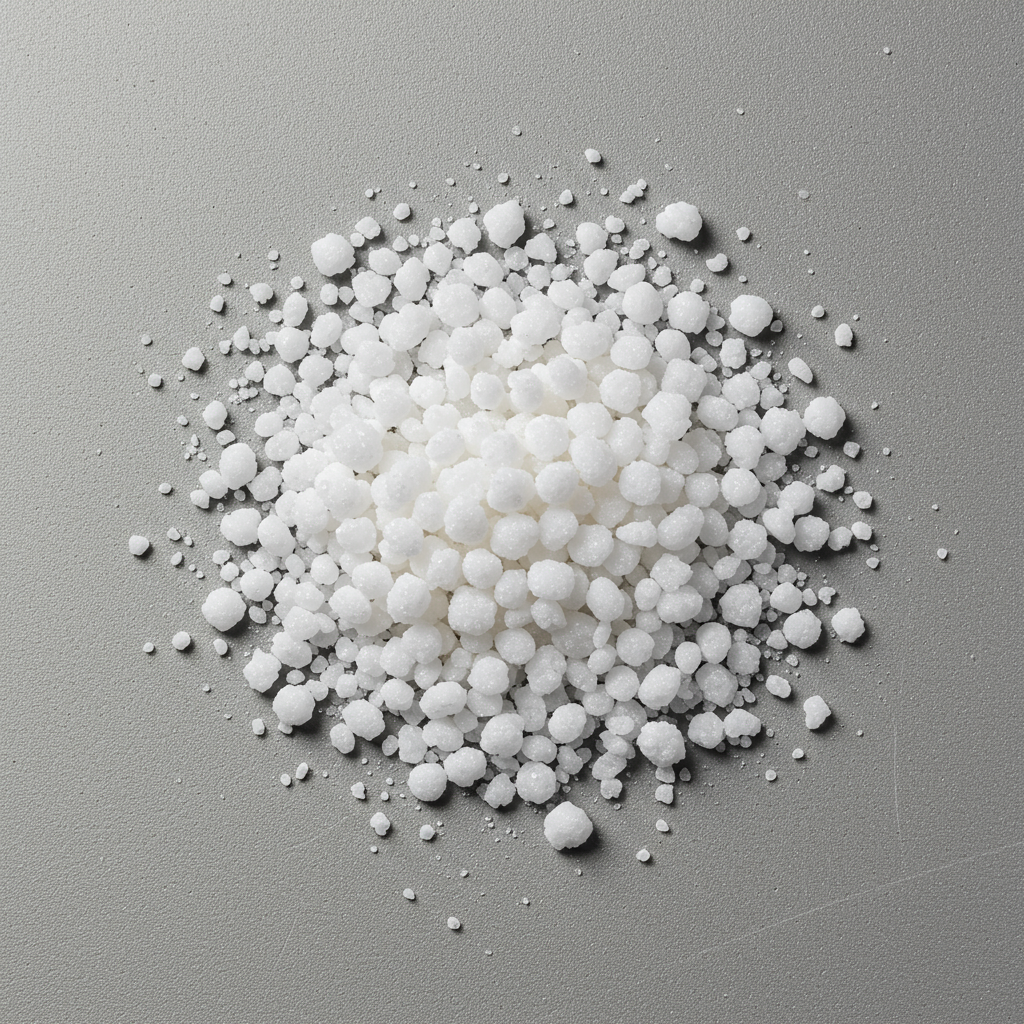
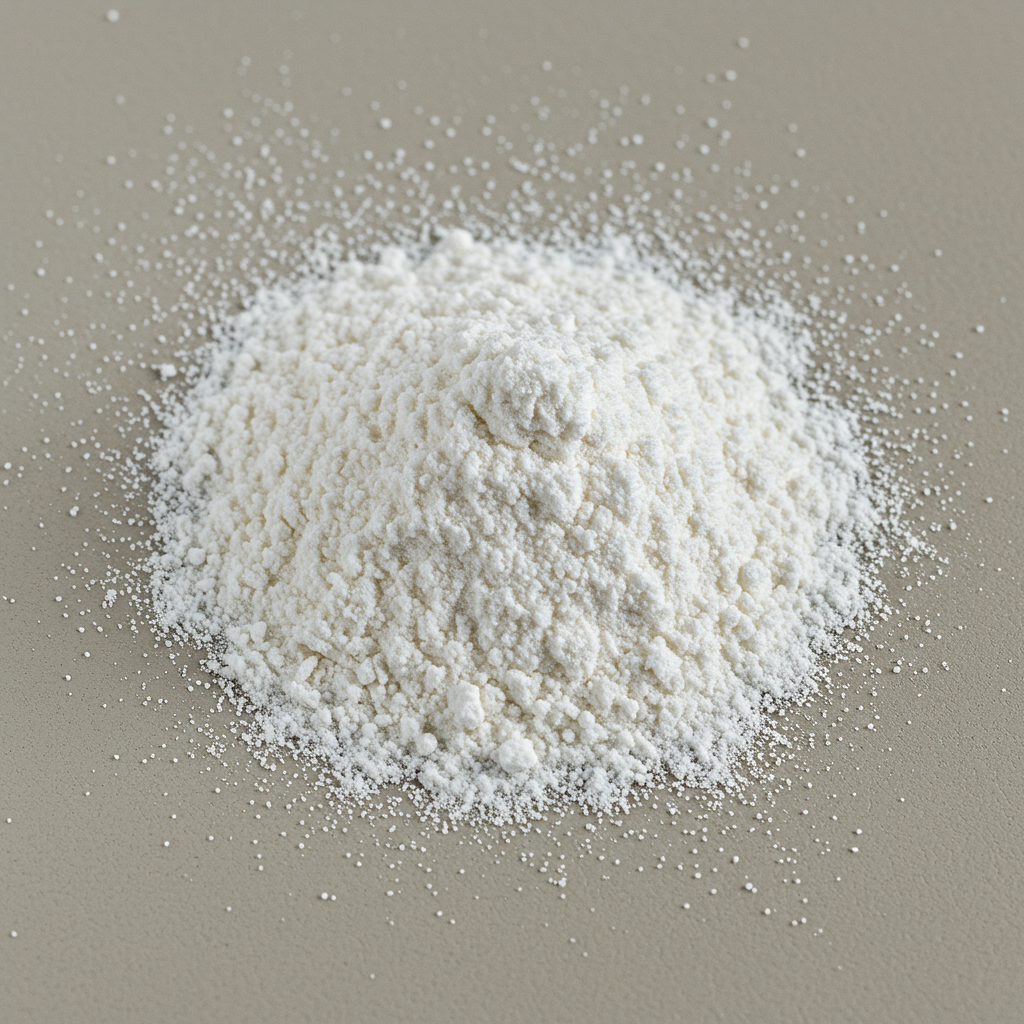
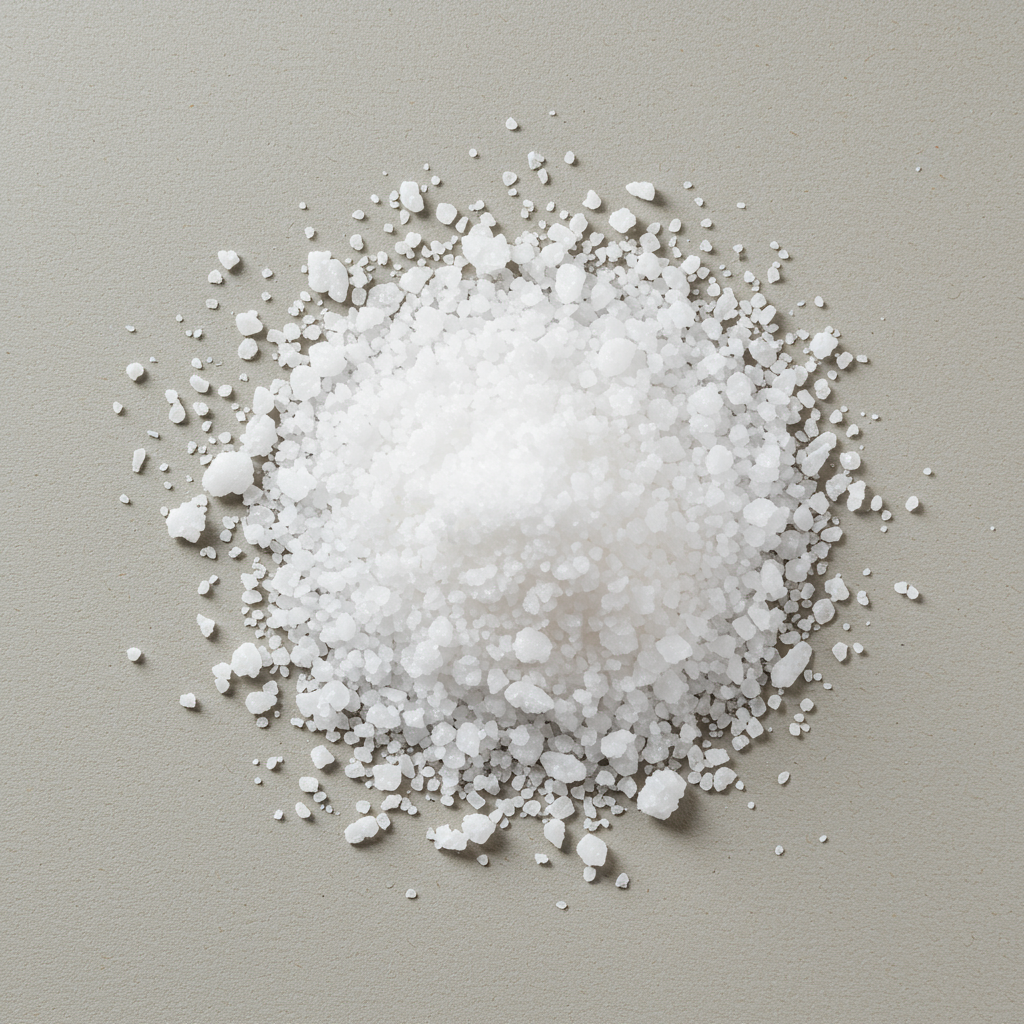
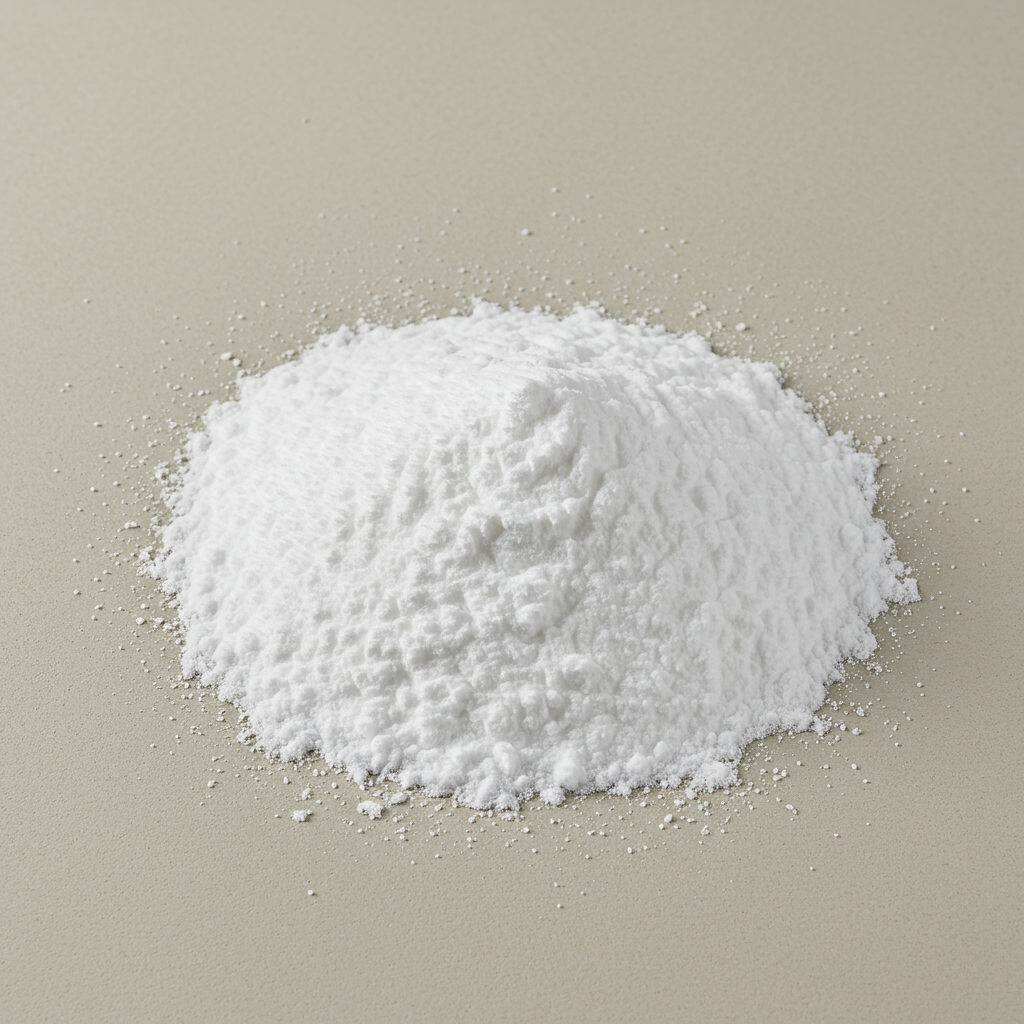
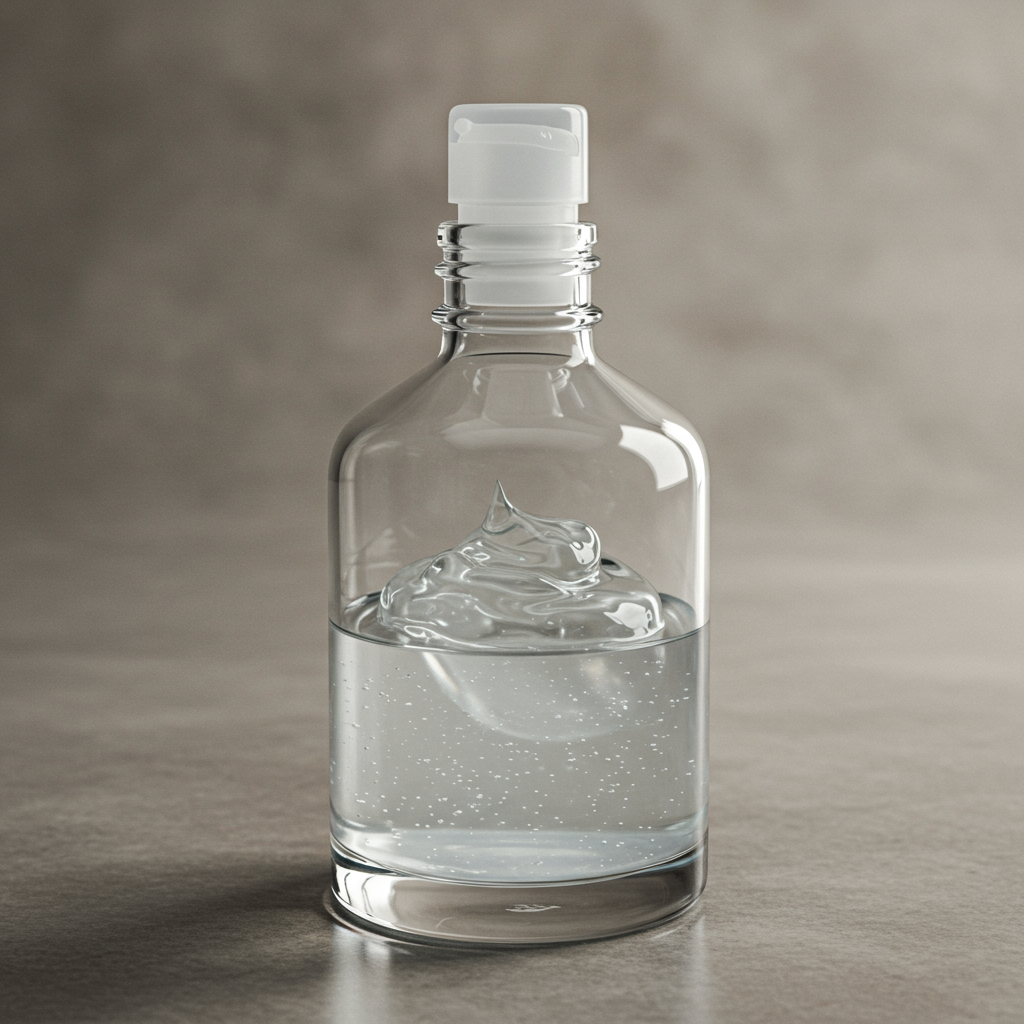
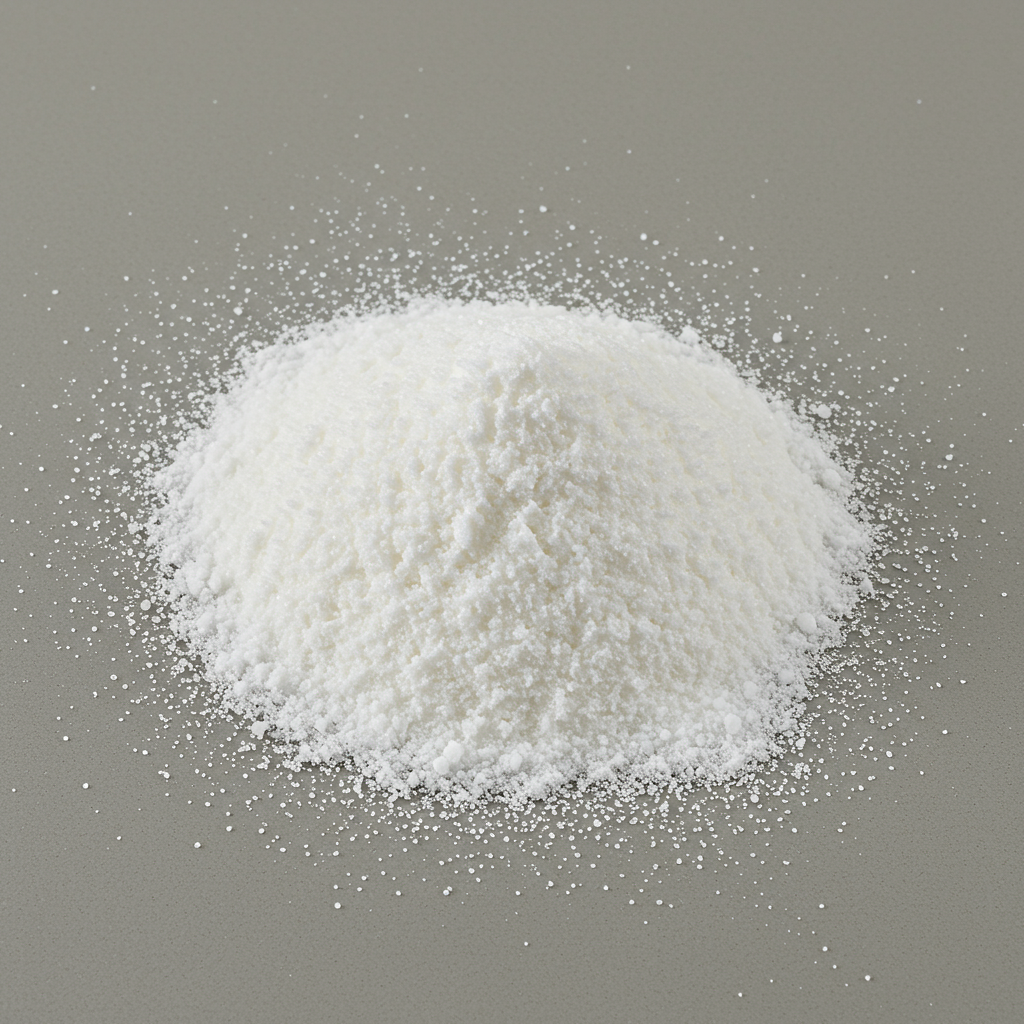
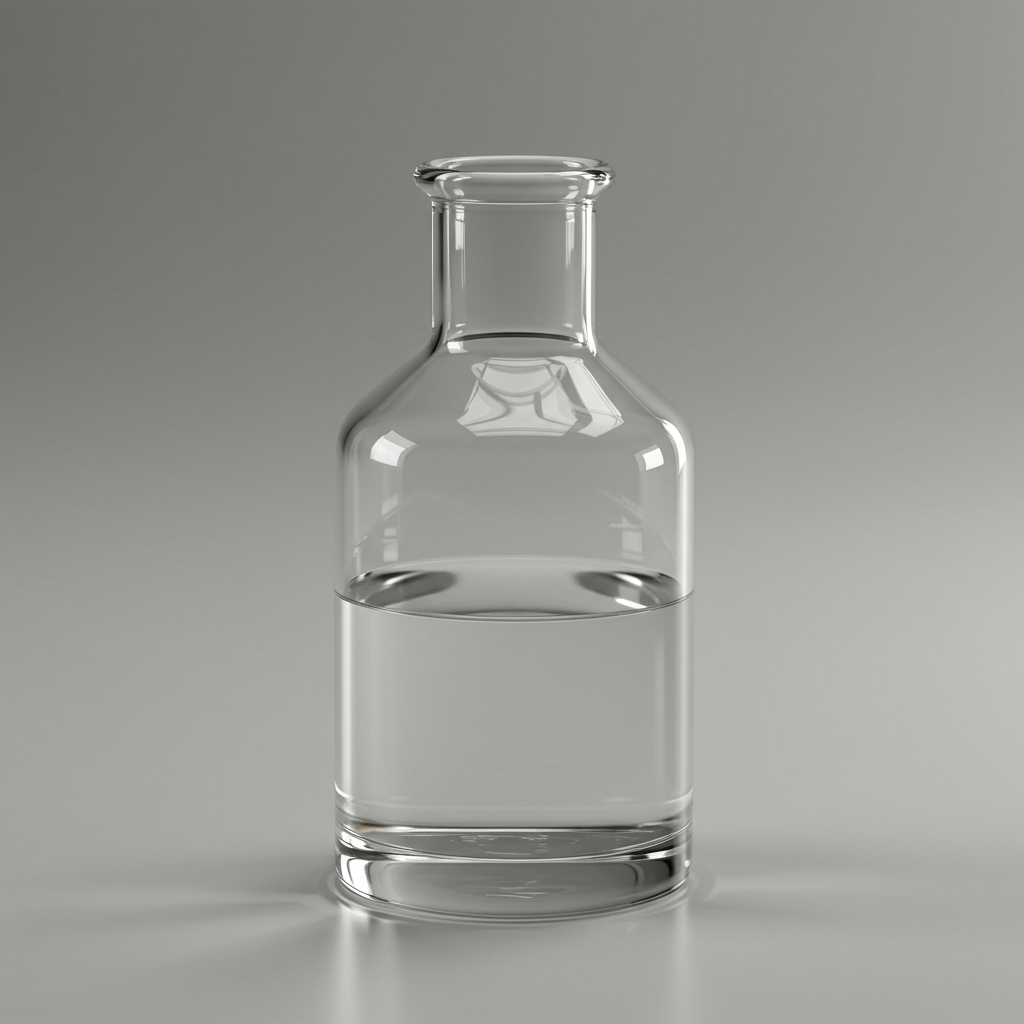
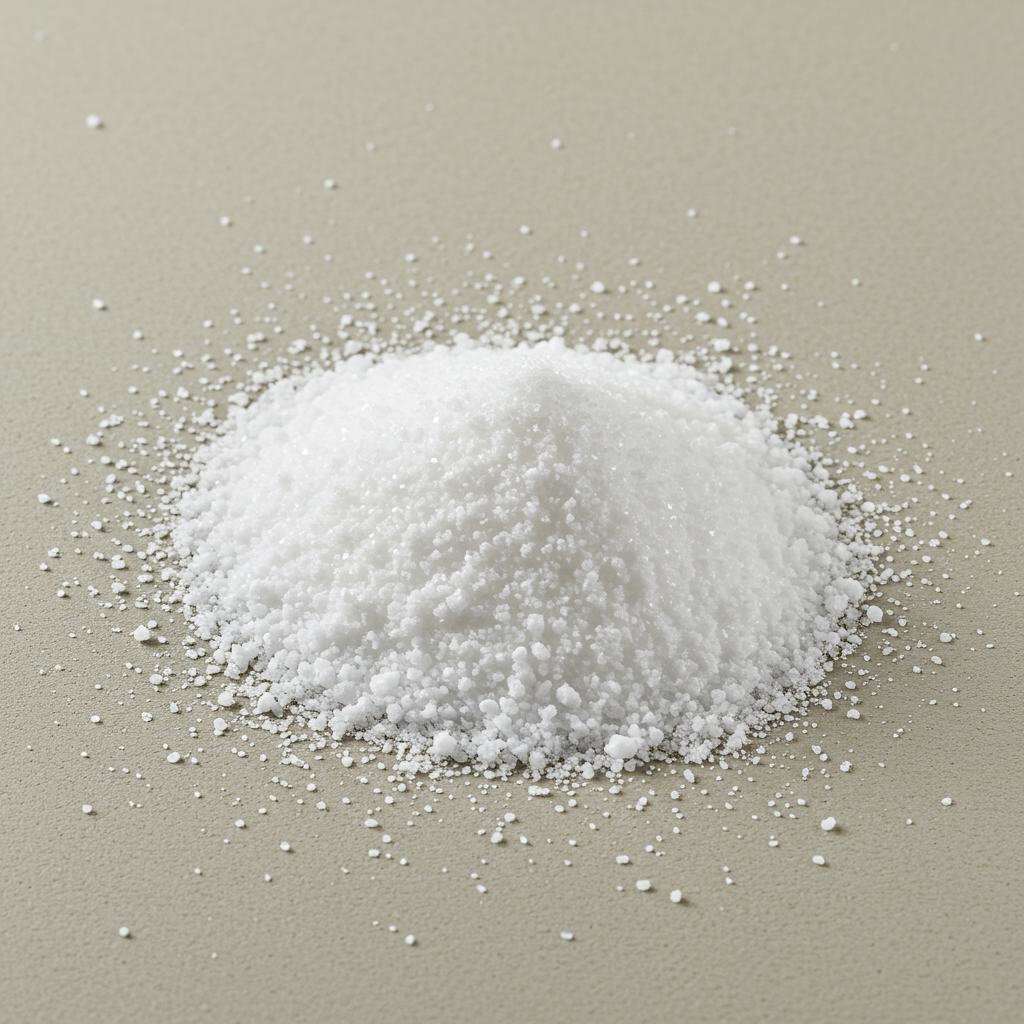
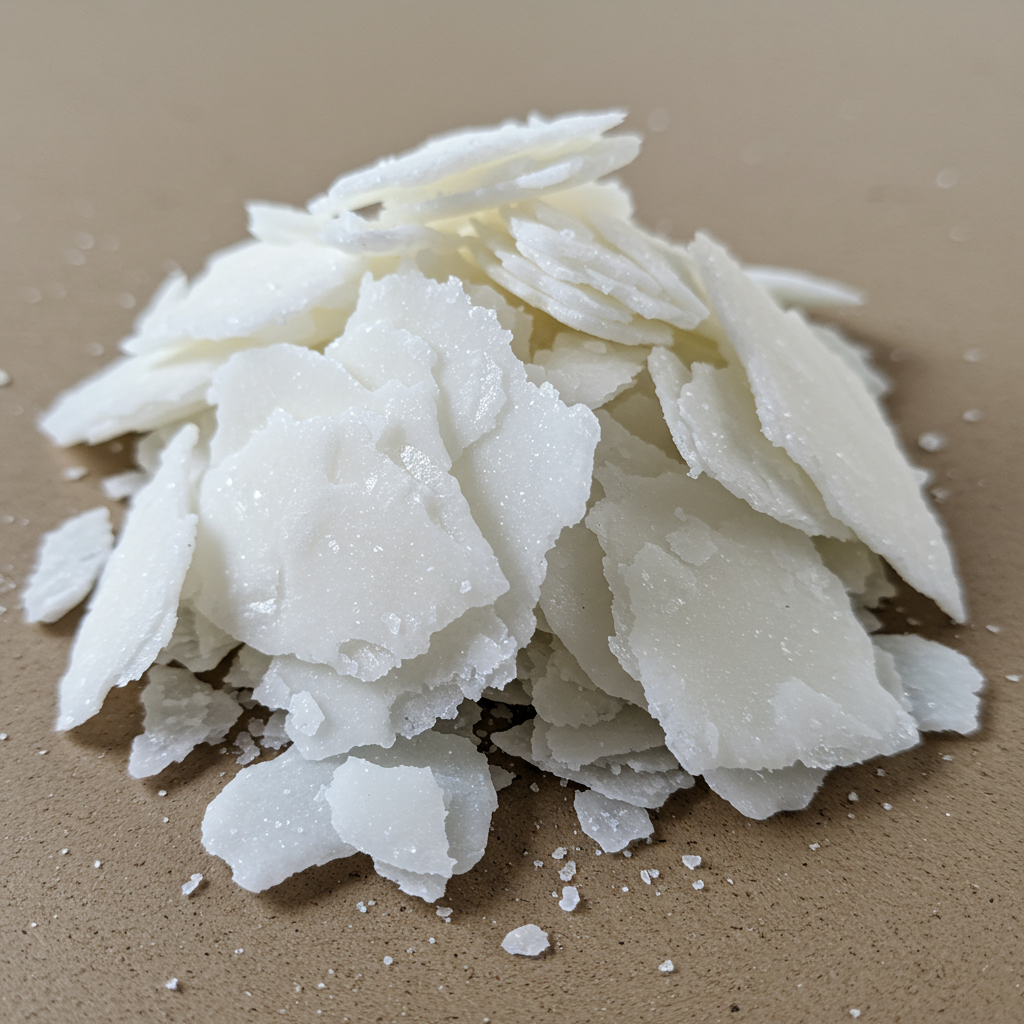
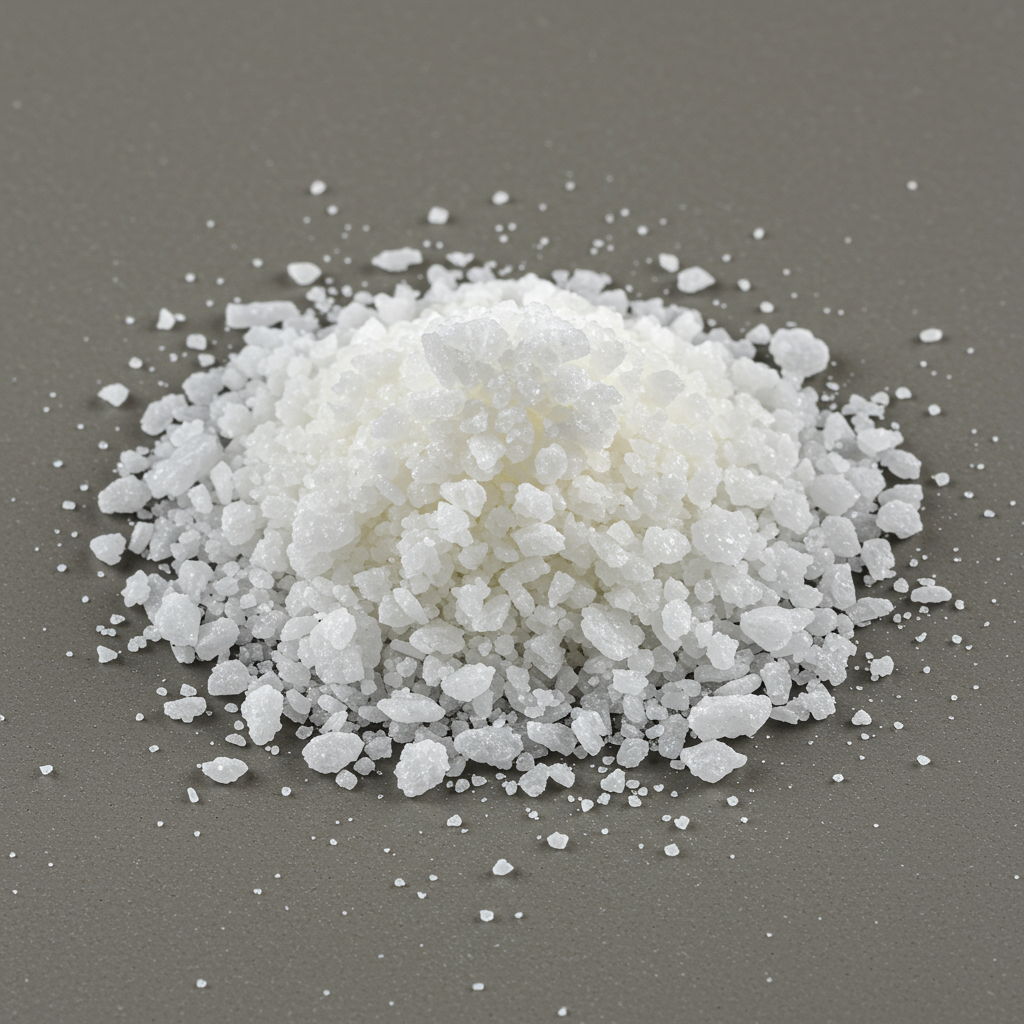
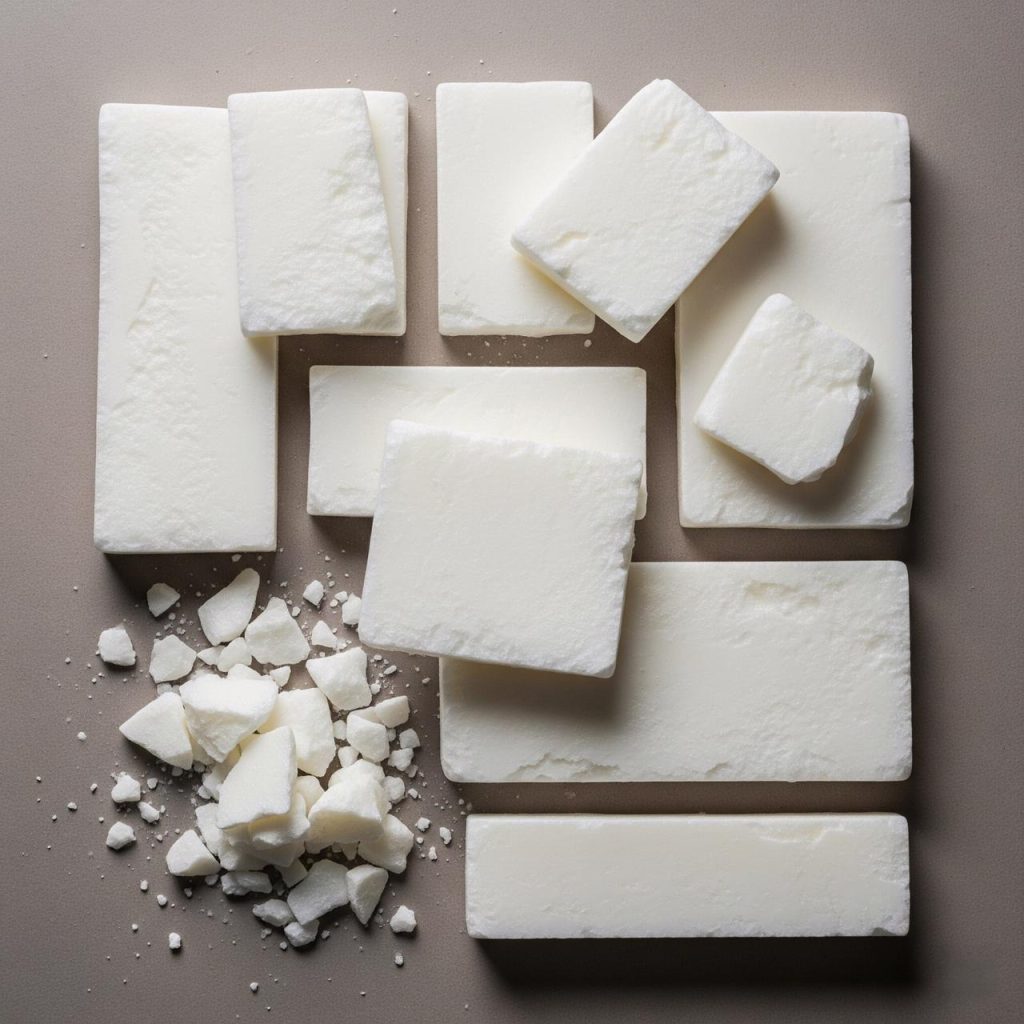
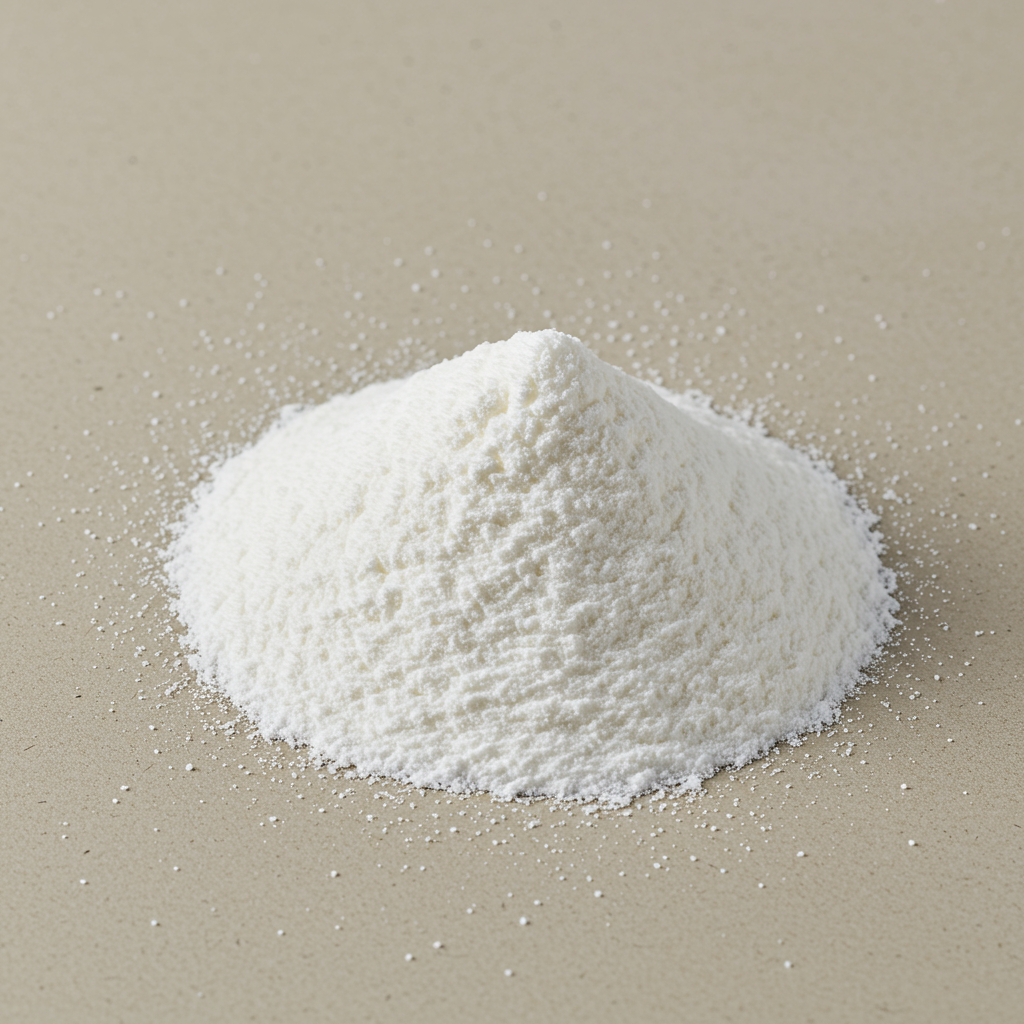
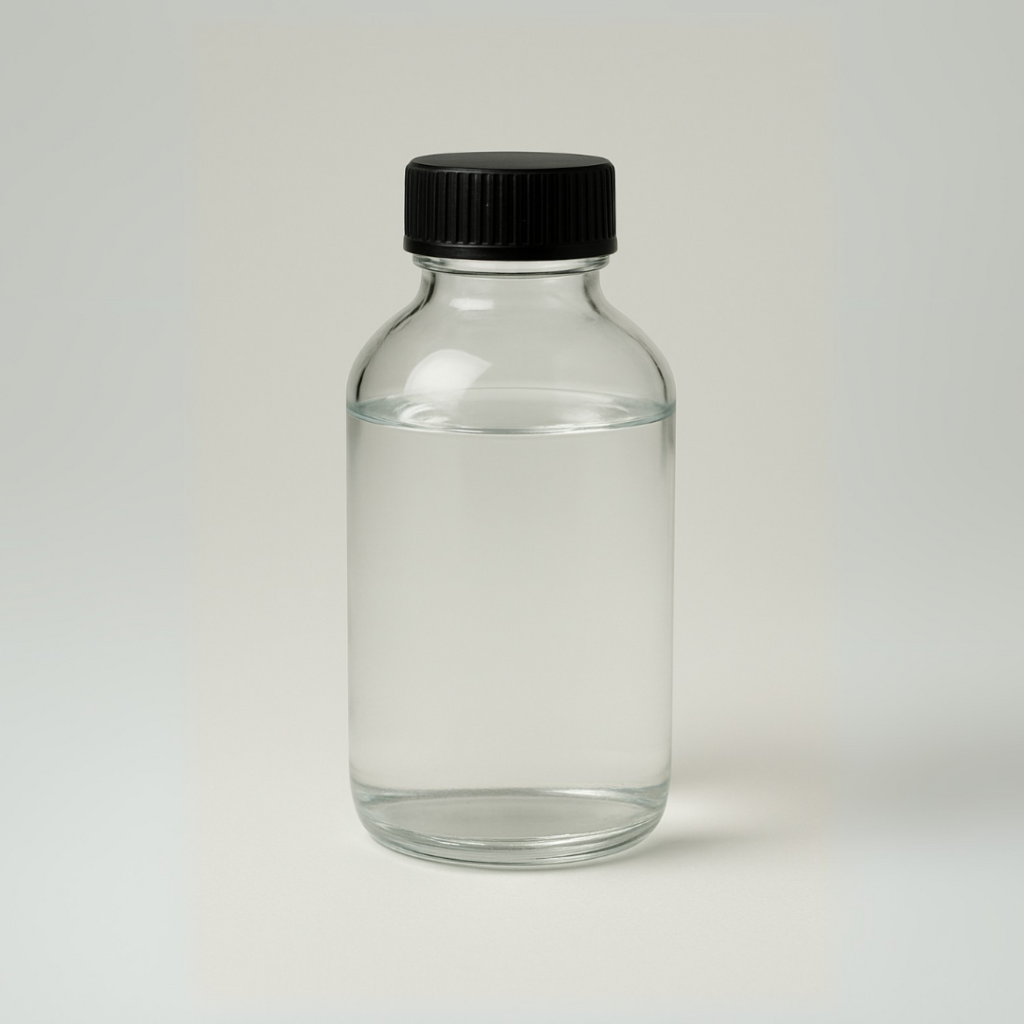
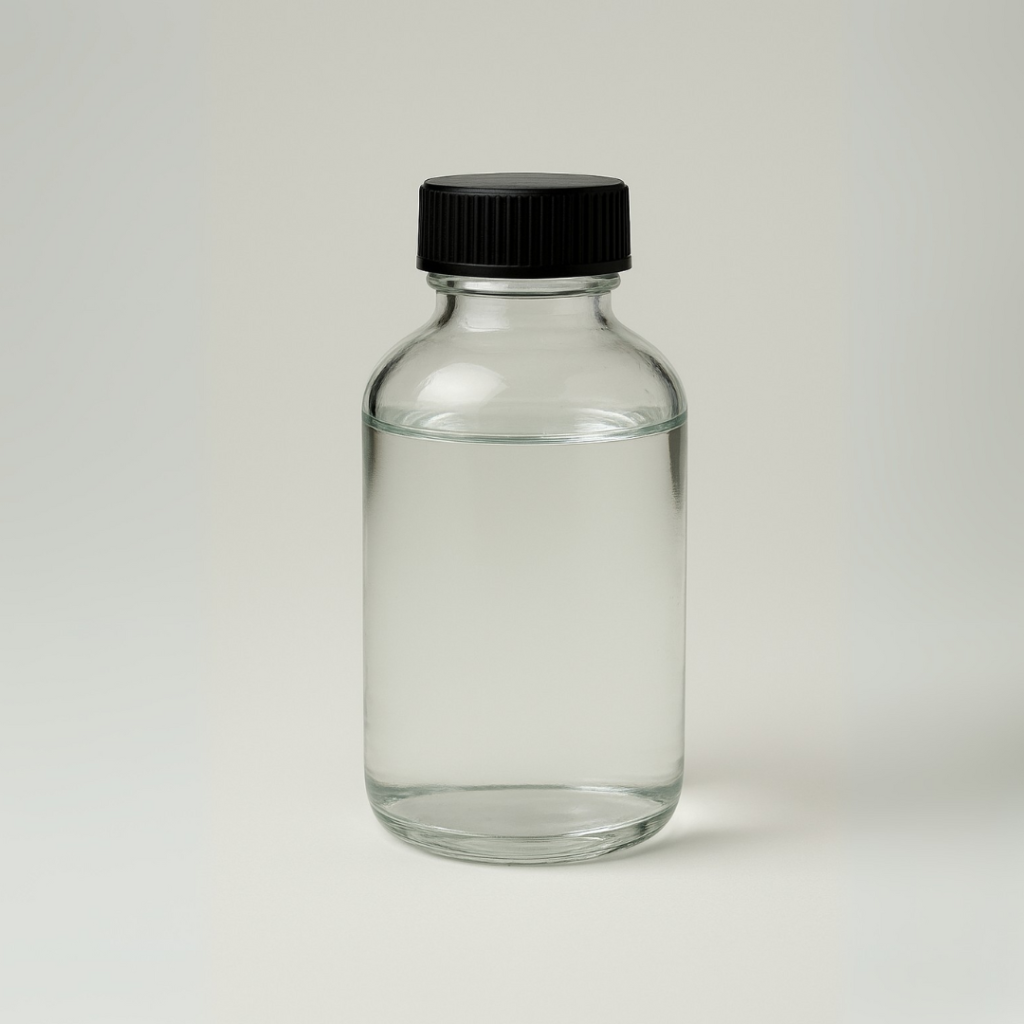
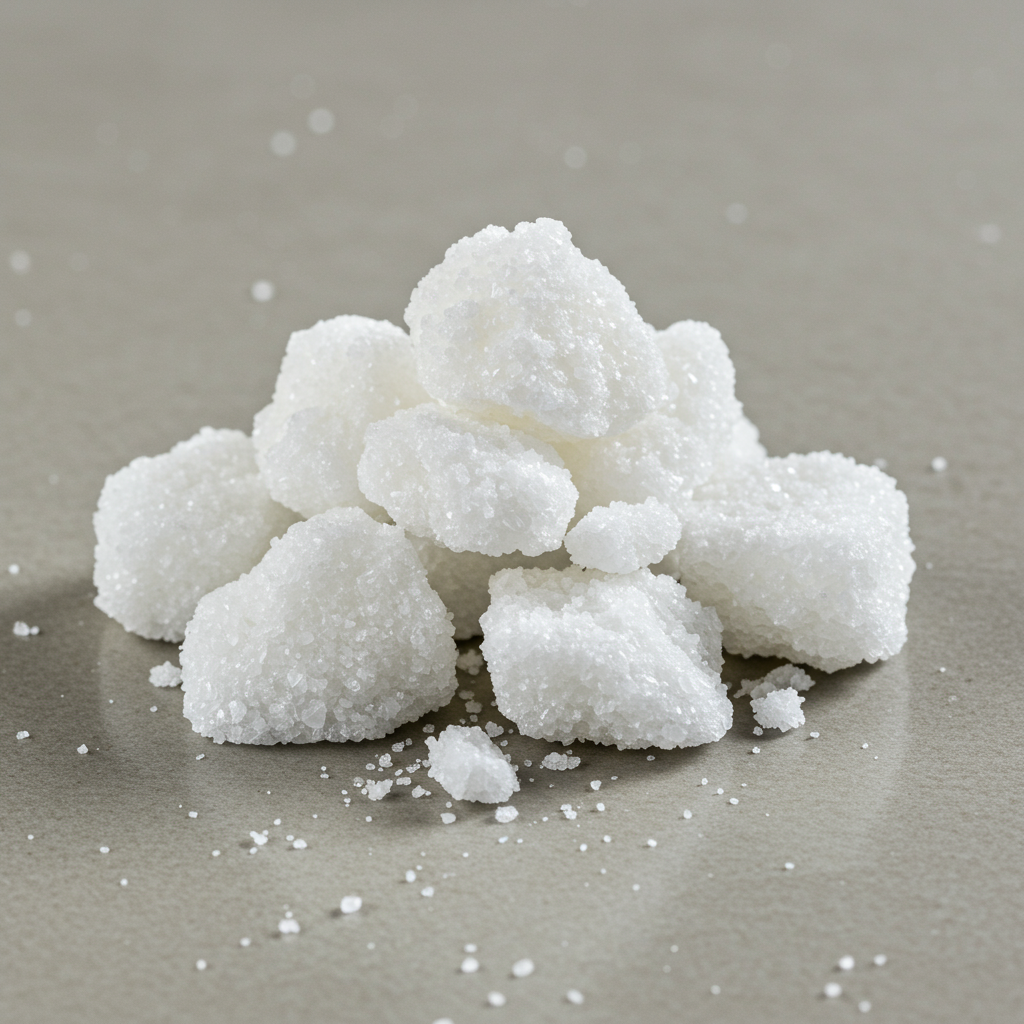
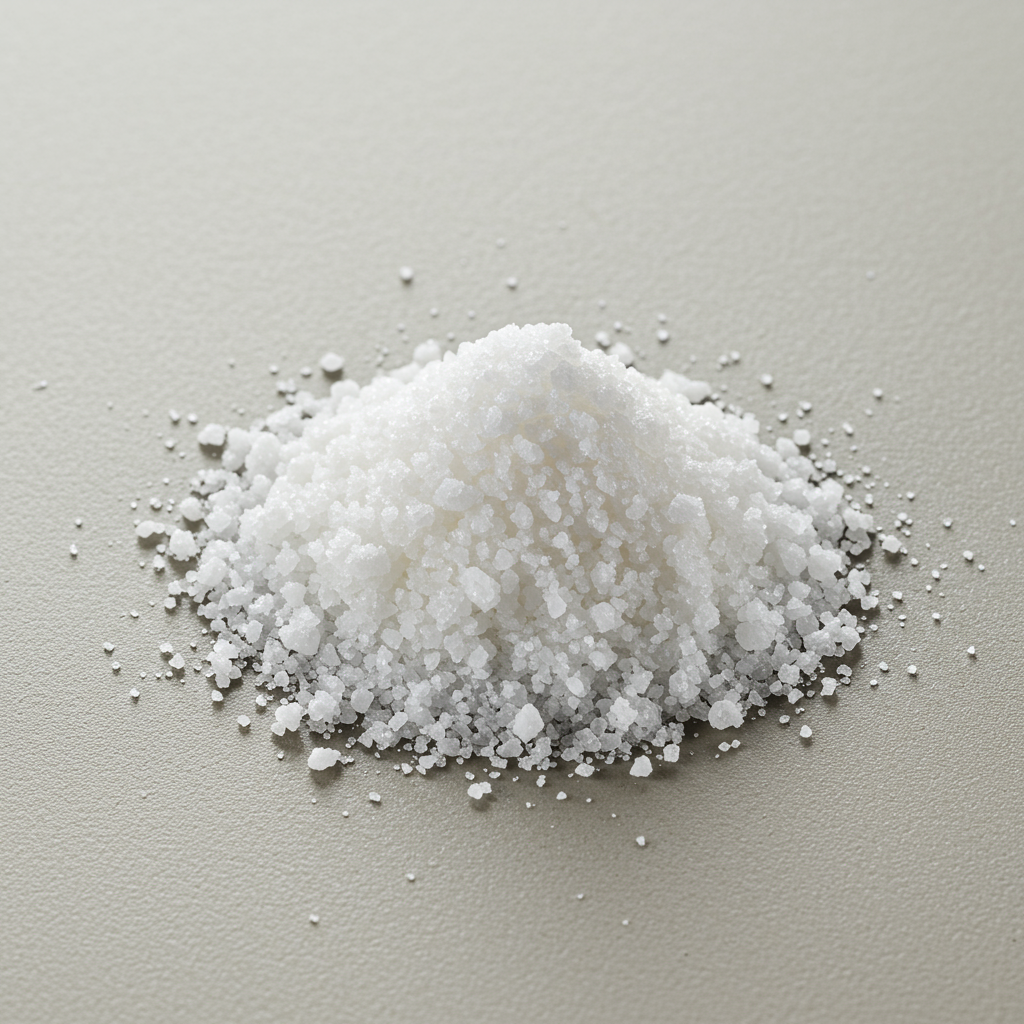
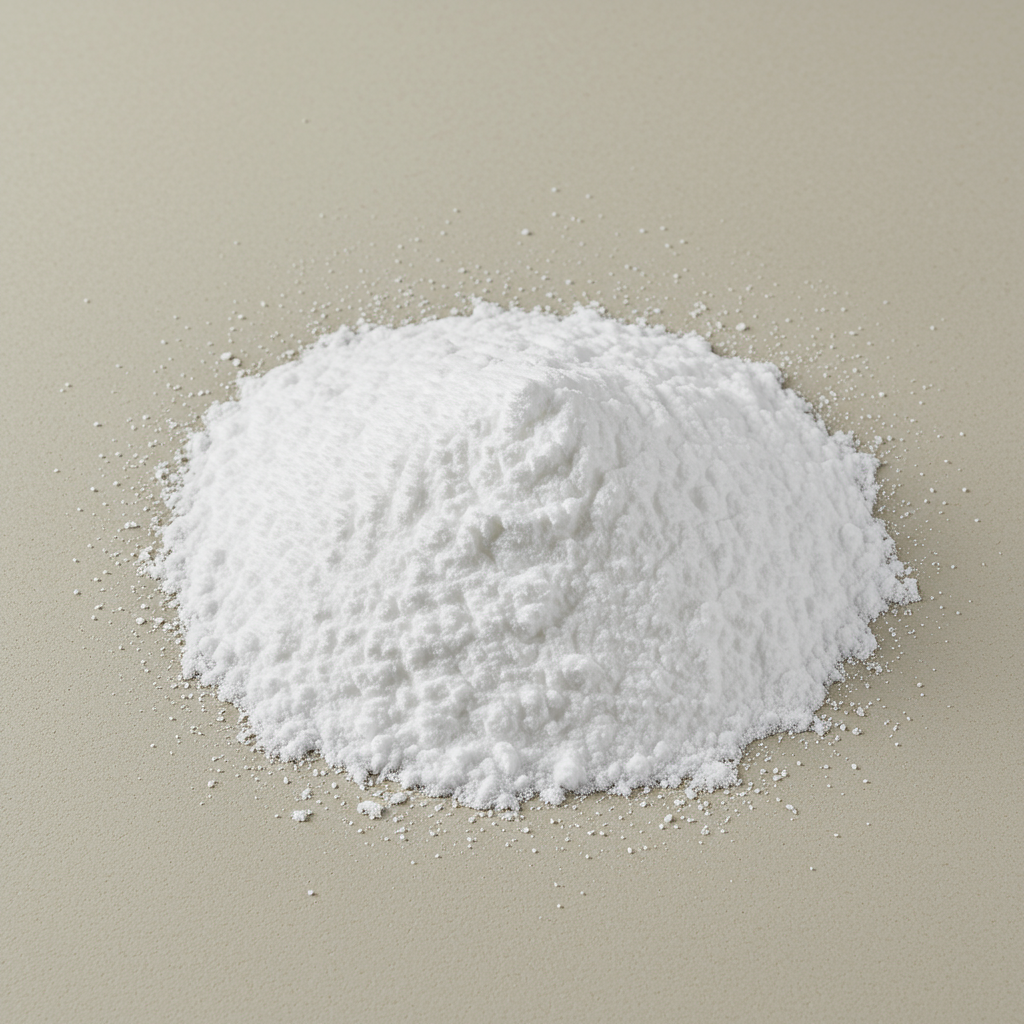
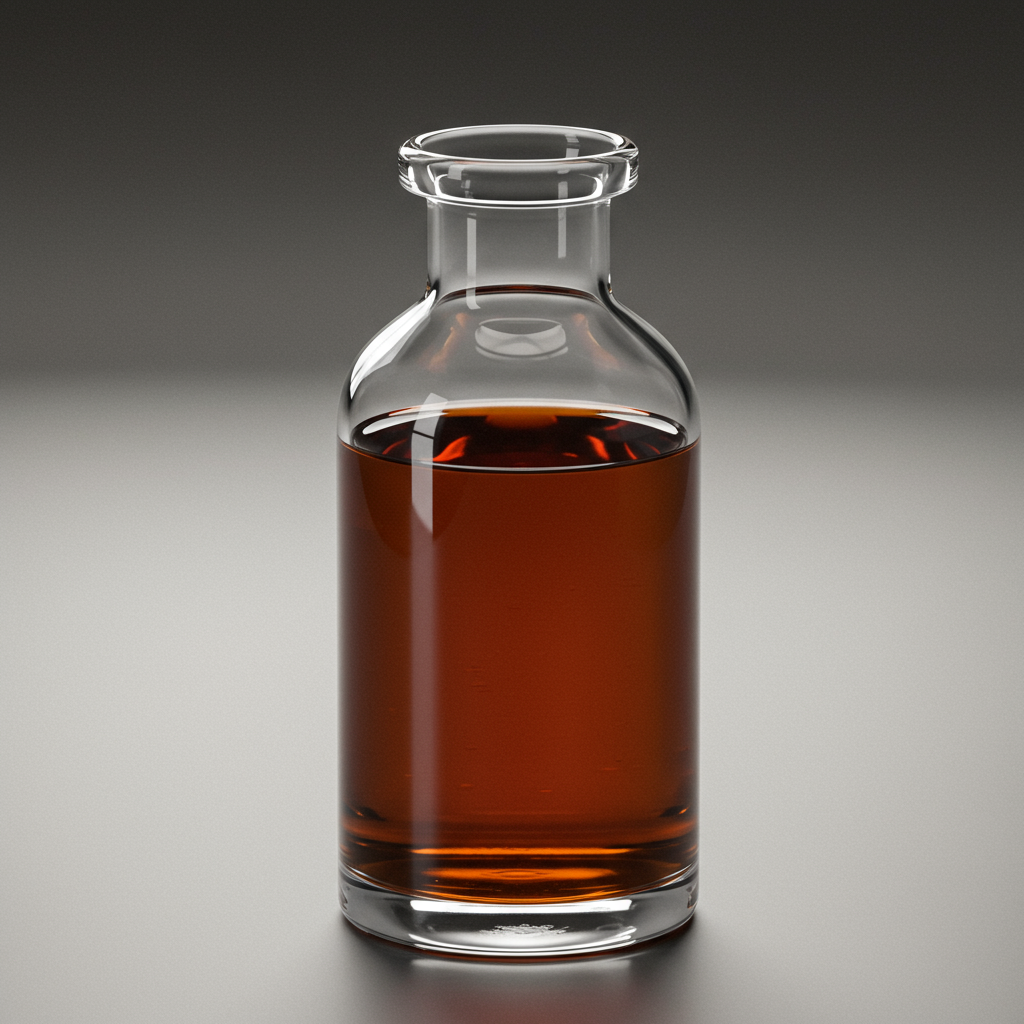
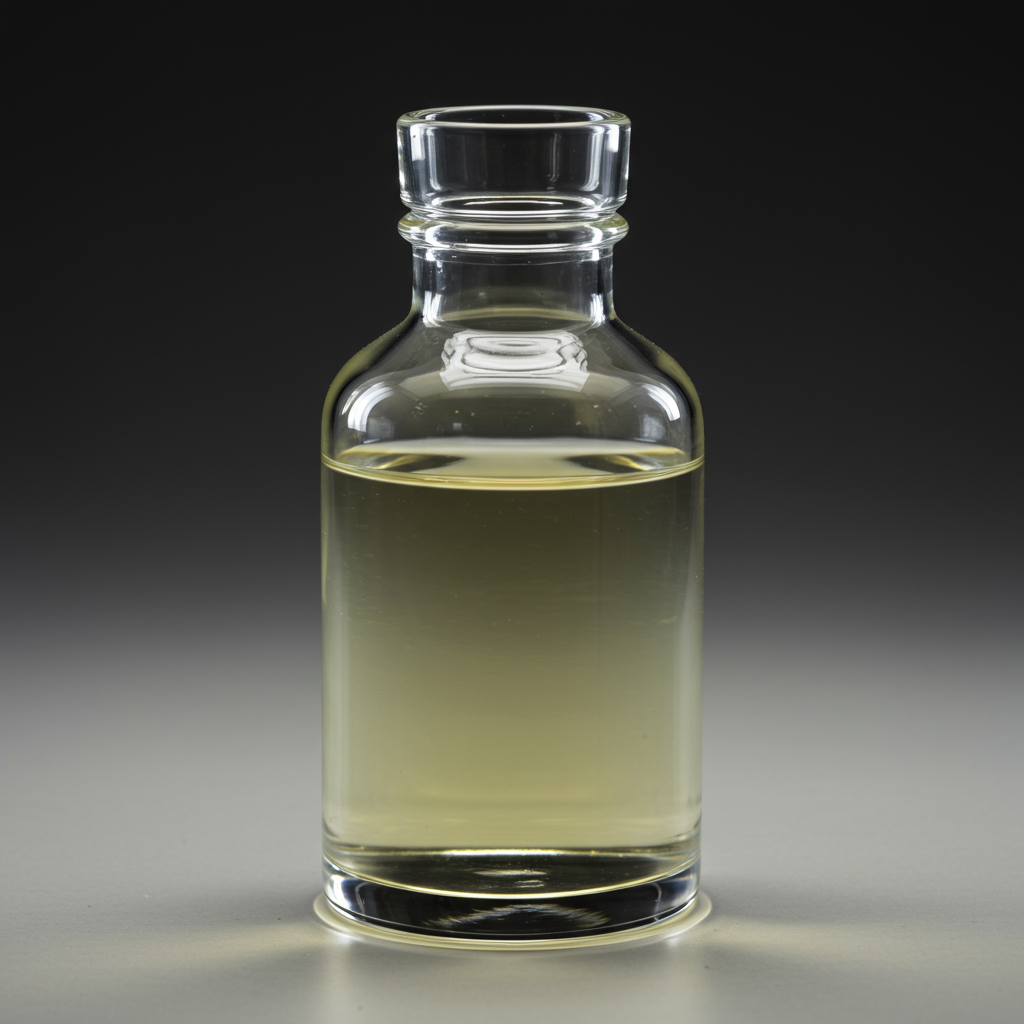
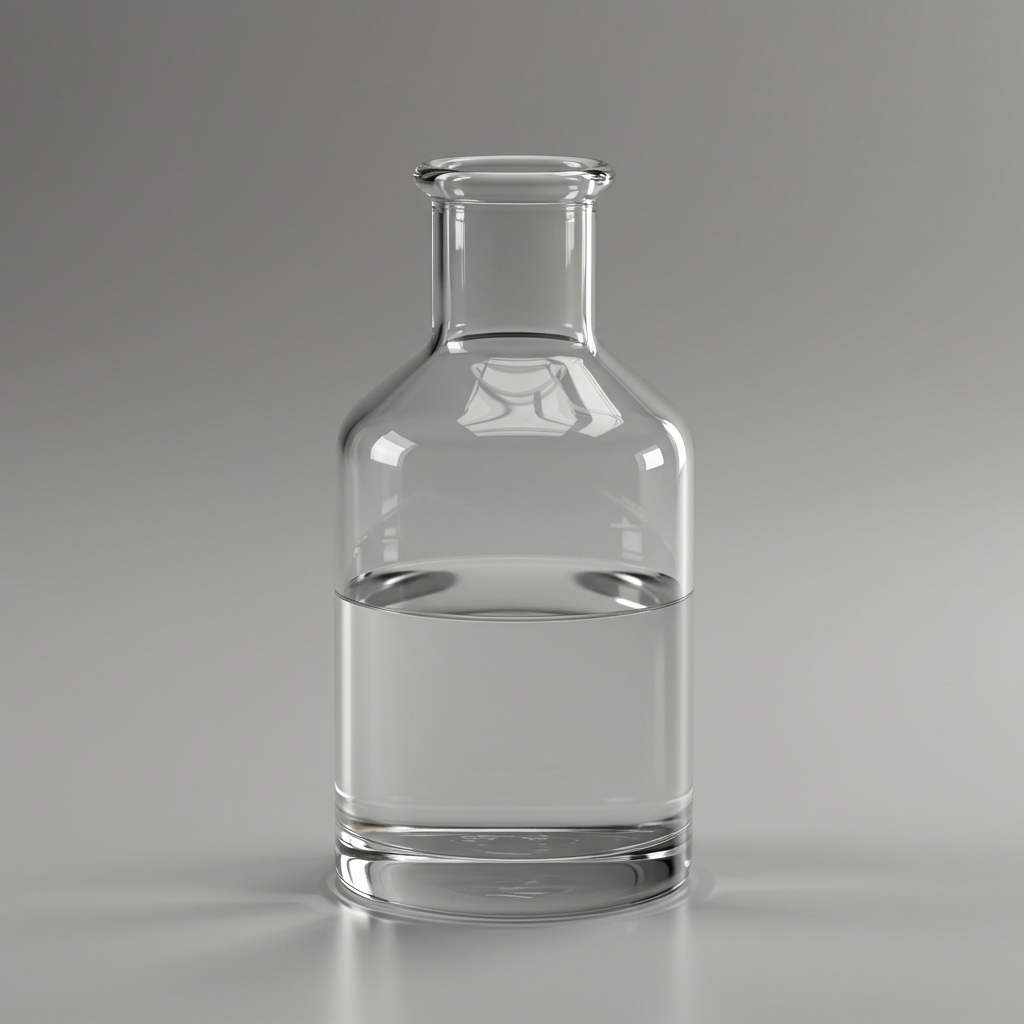
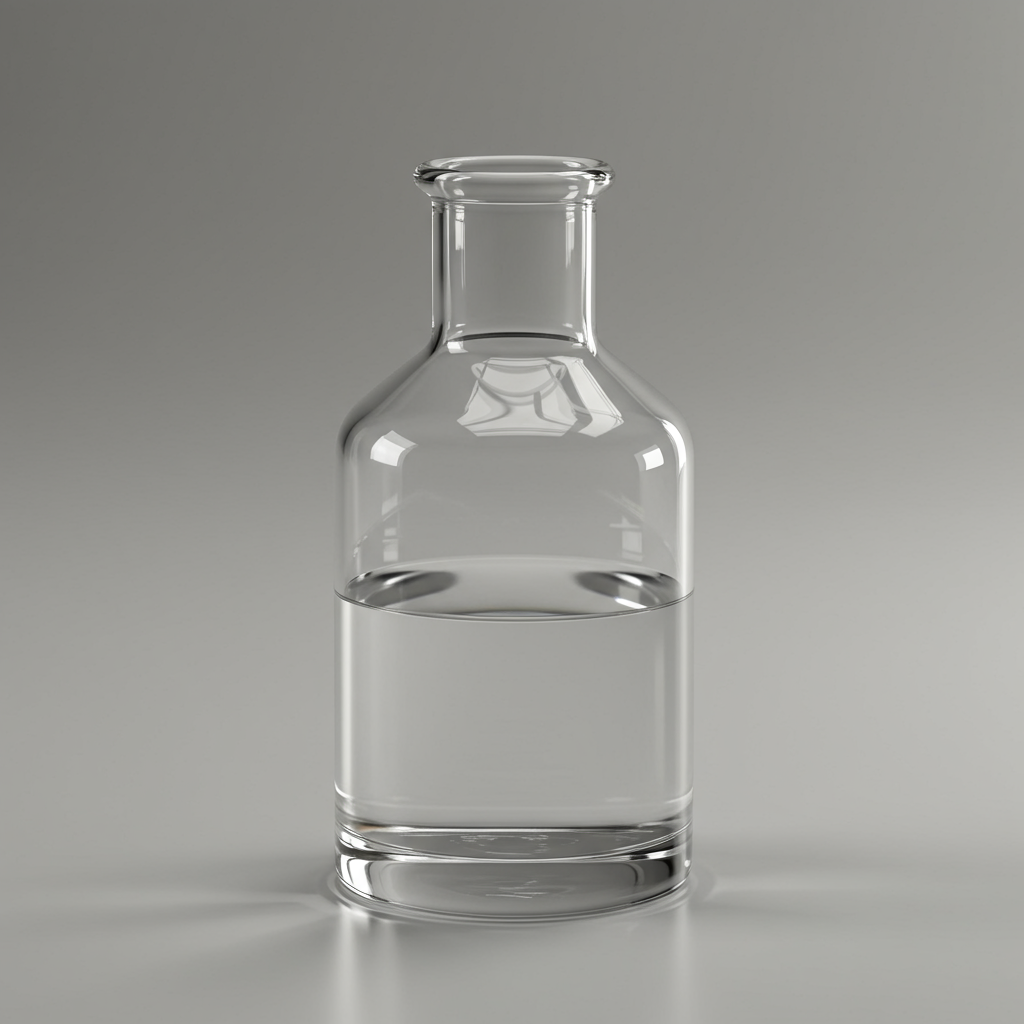
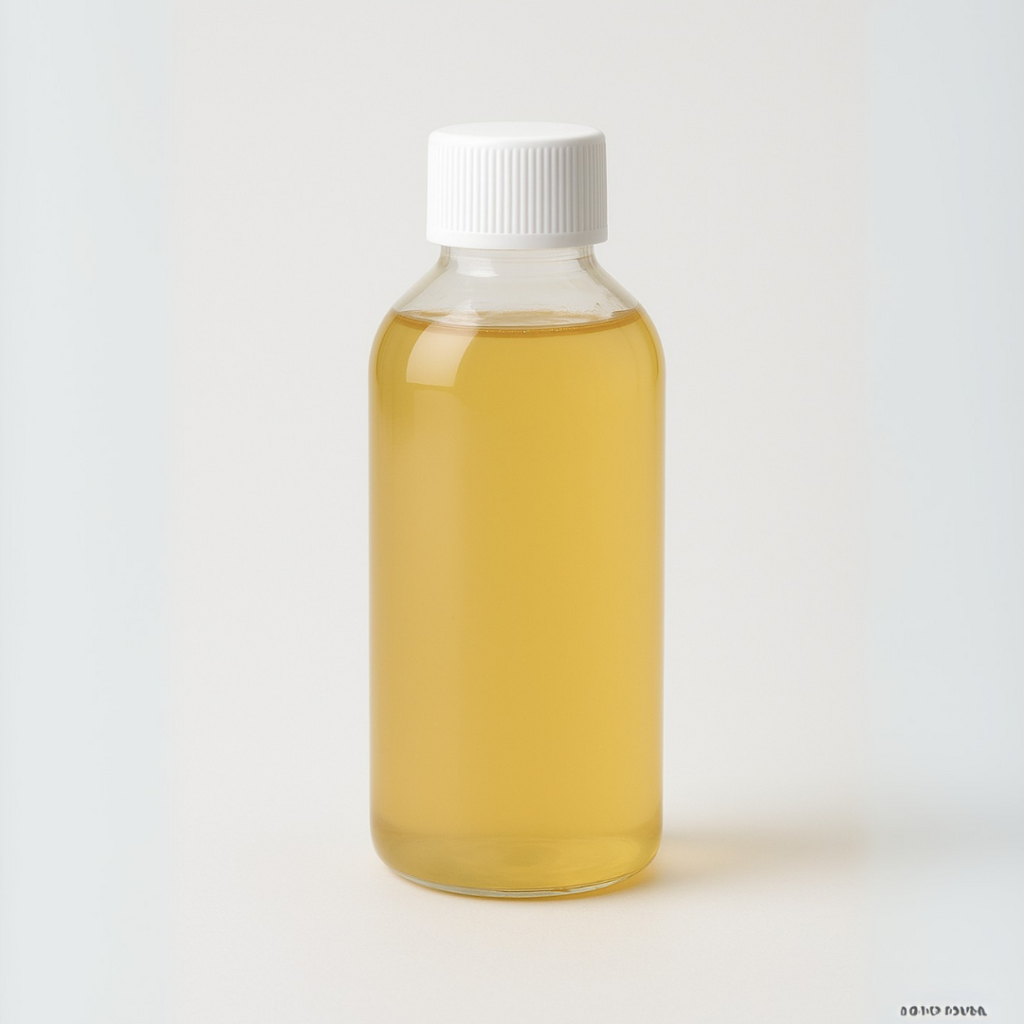
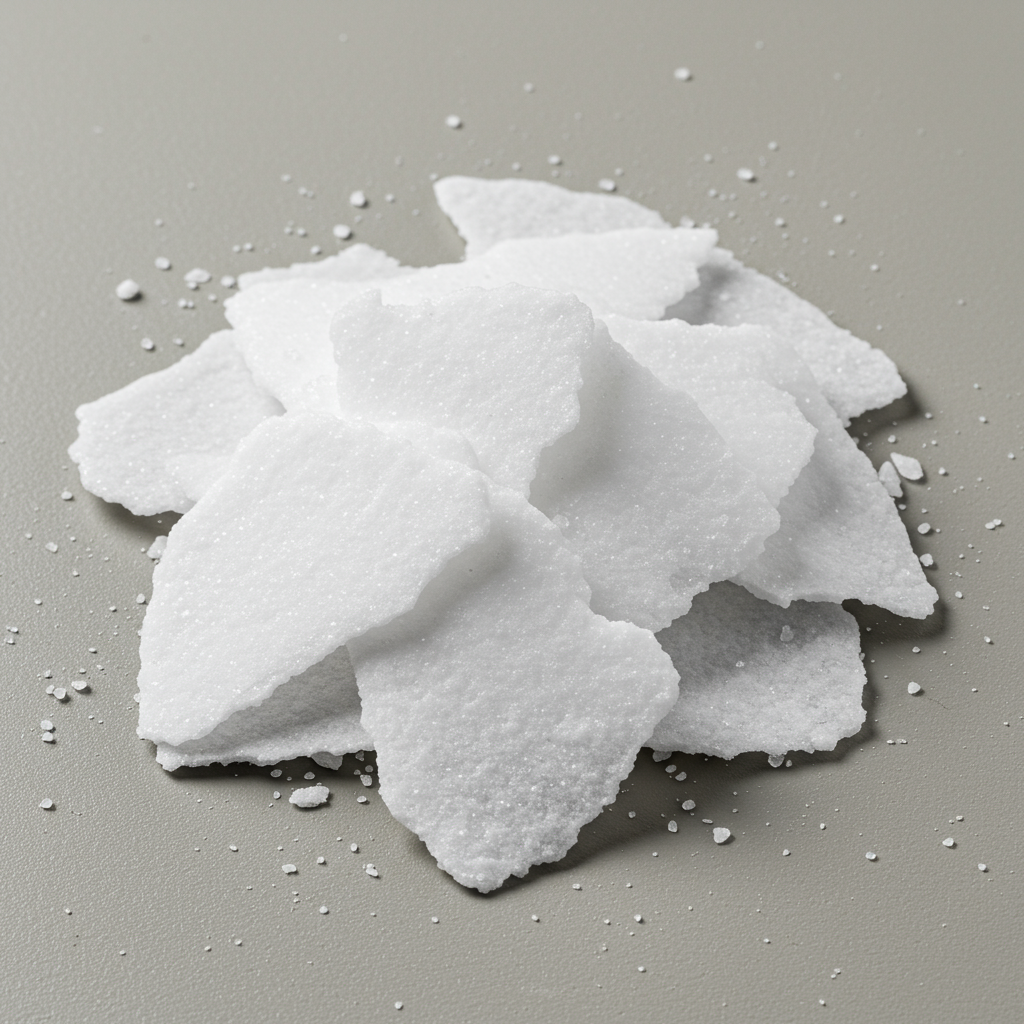
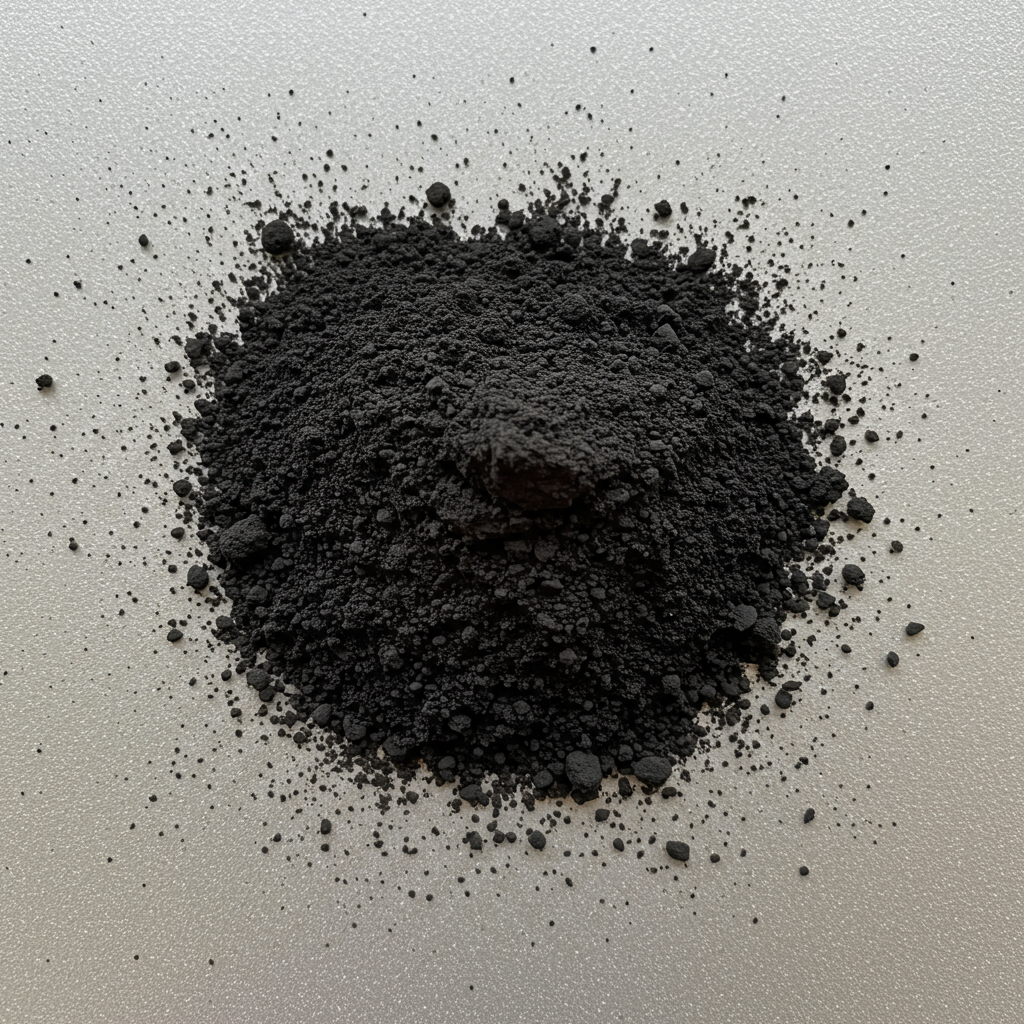
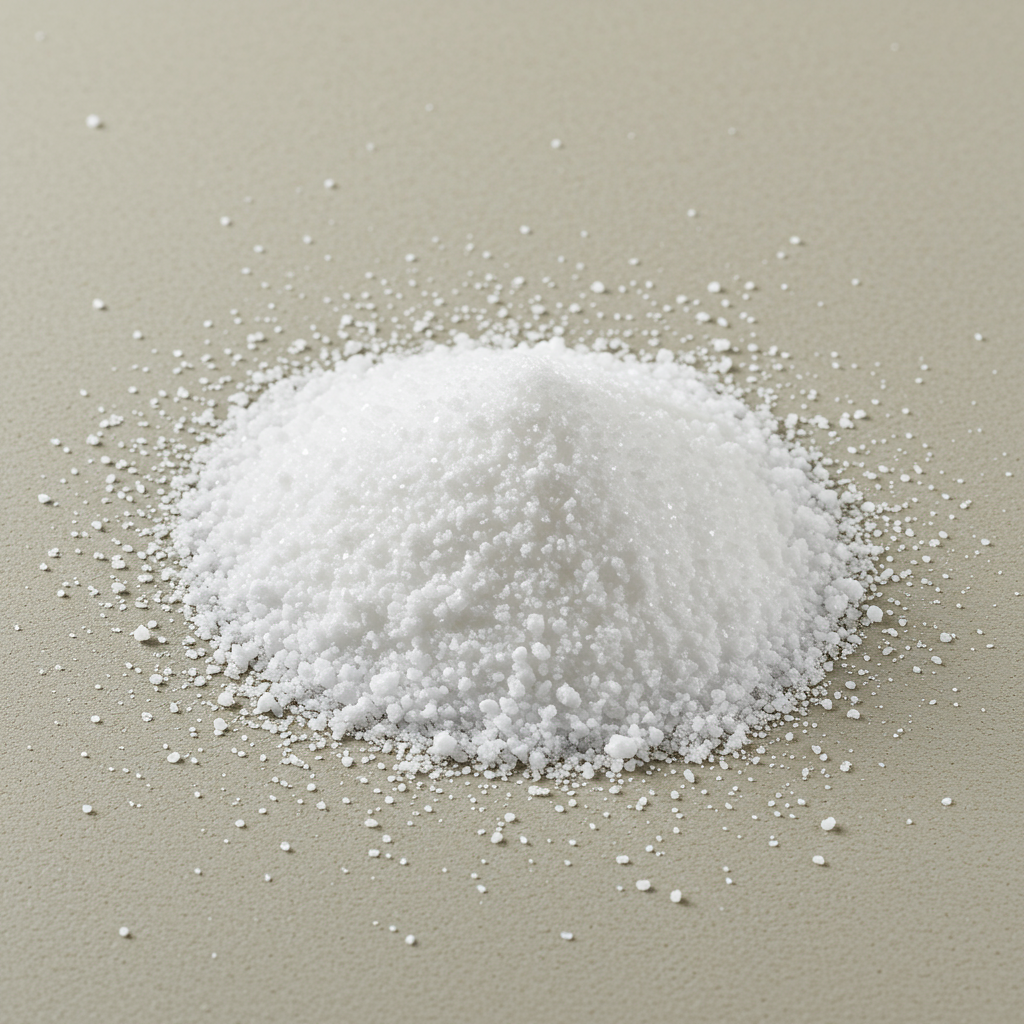
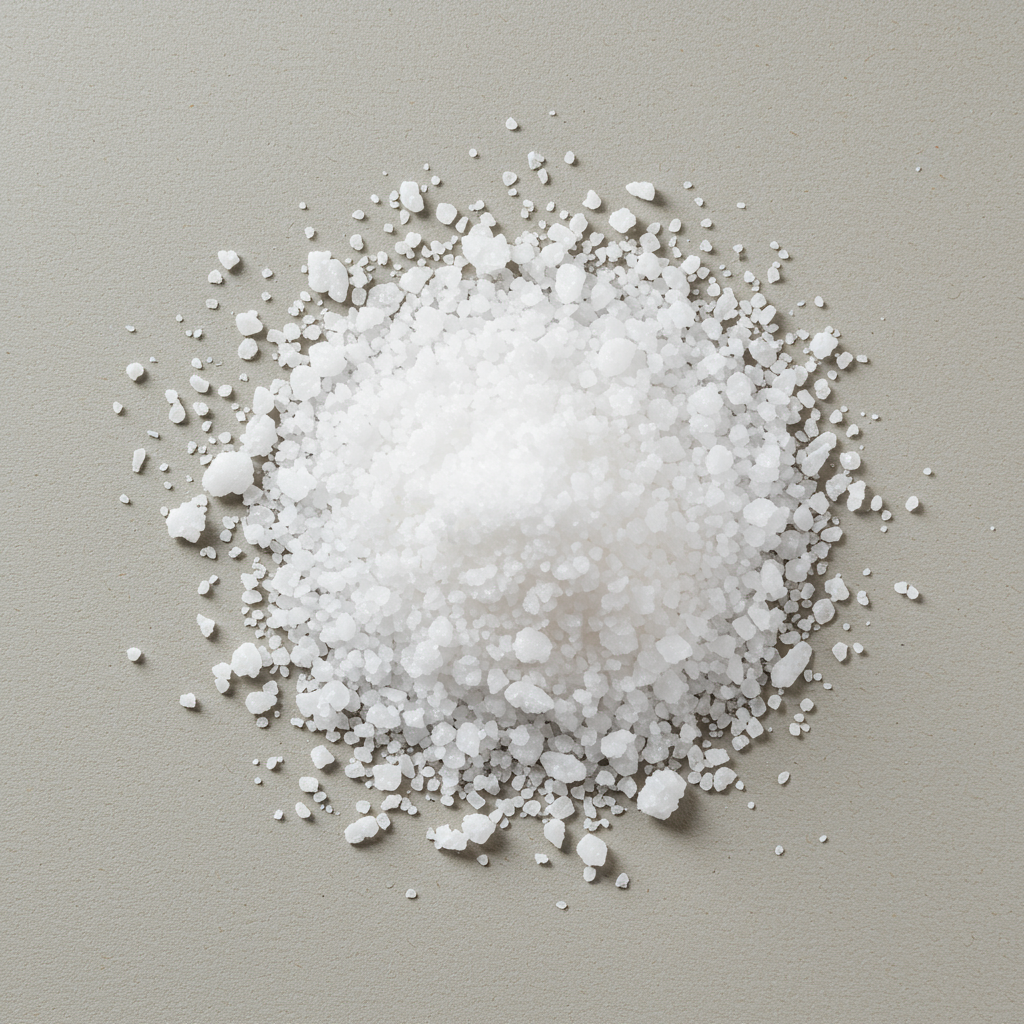
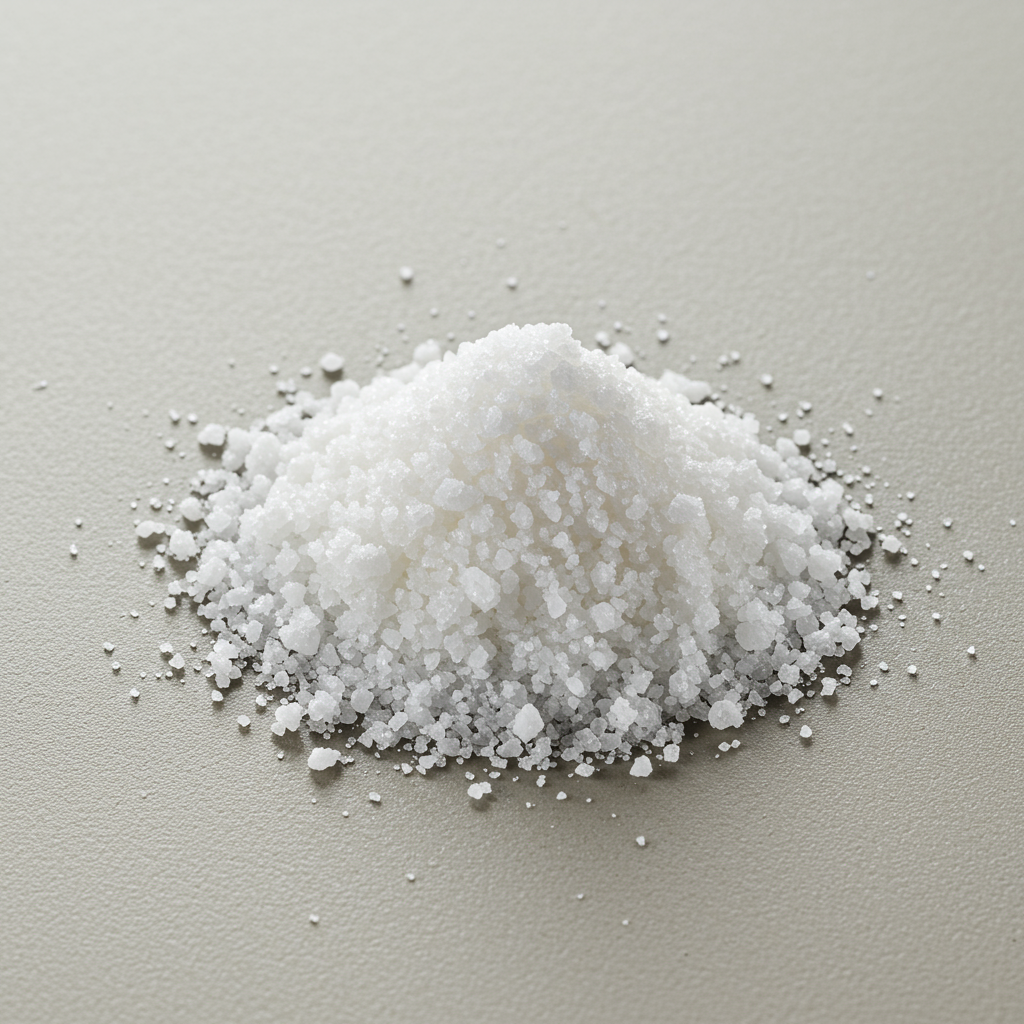
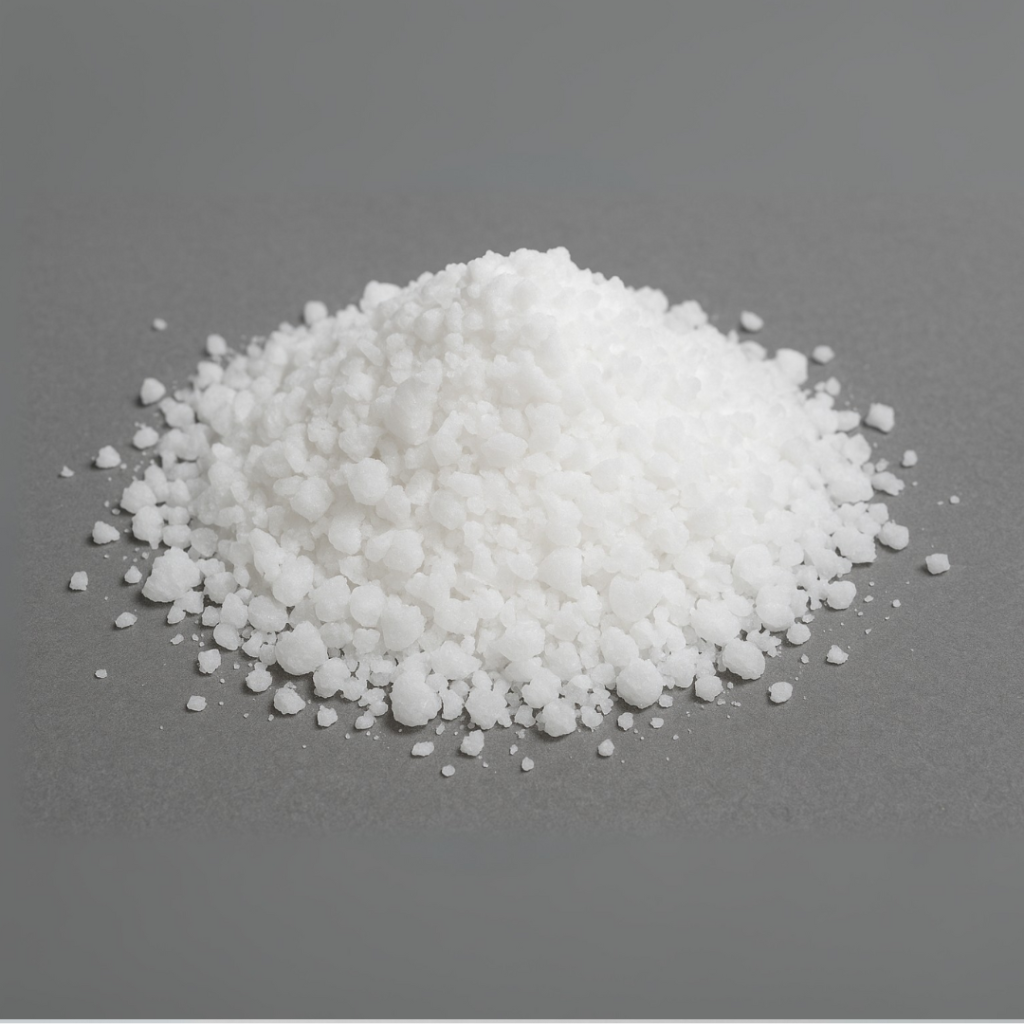
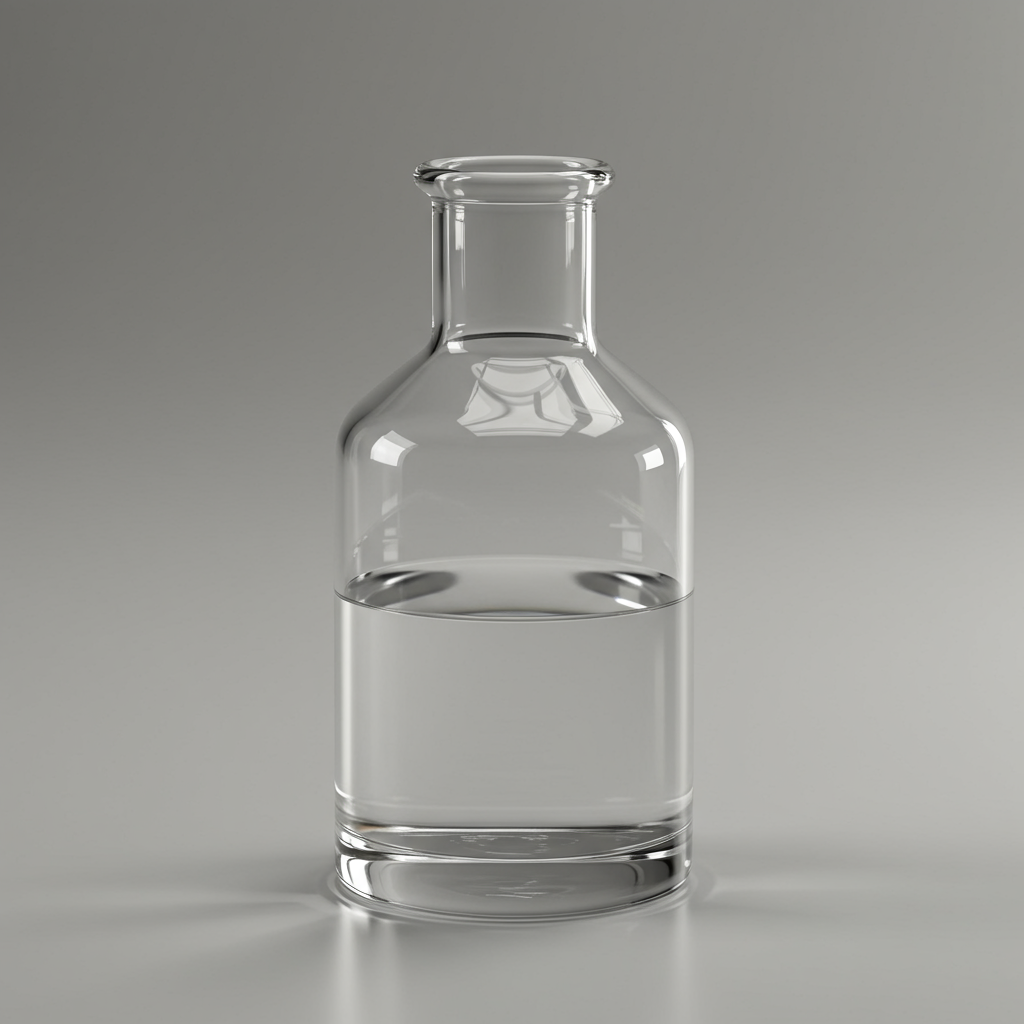
- Appearance: Clear liquid (low MW) or waxy solid (high MW)
- Odor: Odorless
- Molecular Weight: 200–8000
- Density: 1.1–1.2 g/cm³
- Melting Point: Variable, up to 60°C
- Solubility: Miscible with water and many polar solvents
- pH (5% solution): 5.0–7.5
- Shelf Life: 24 months
🧪 Production Process:
Produced by polymerizing ethylene oxide with water or alcohol as an initiator. Molecular weight and chain length are controlled by feed ratios.
🧯 Safety & Handling:
- Hazards: Very low toxicity; generally considered safe
- PPE: Gloves and ventilation for industrial applications
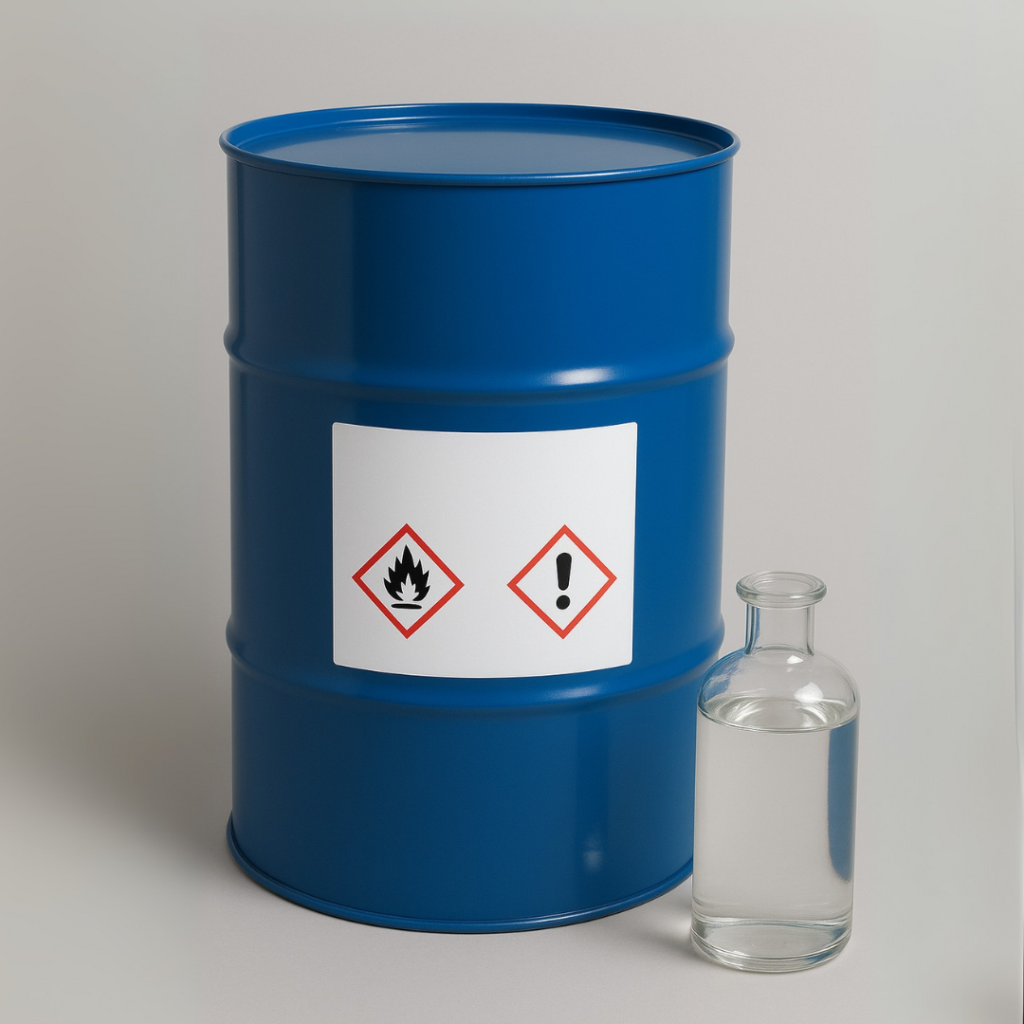
- Packaging: 25 kg bags (solid), 220 L drums (liquid), IBC tanks
- Transport: Non-hazardous material
📊 Available Grades & Applications:
| Grade Type | Physical Form | Applications |
| PEG 200–600 | Liquid | Humectants, solvents, antifreeze |
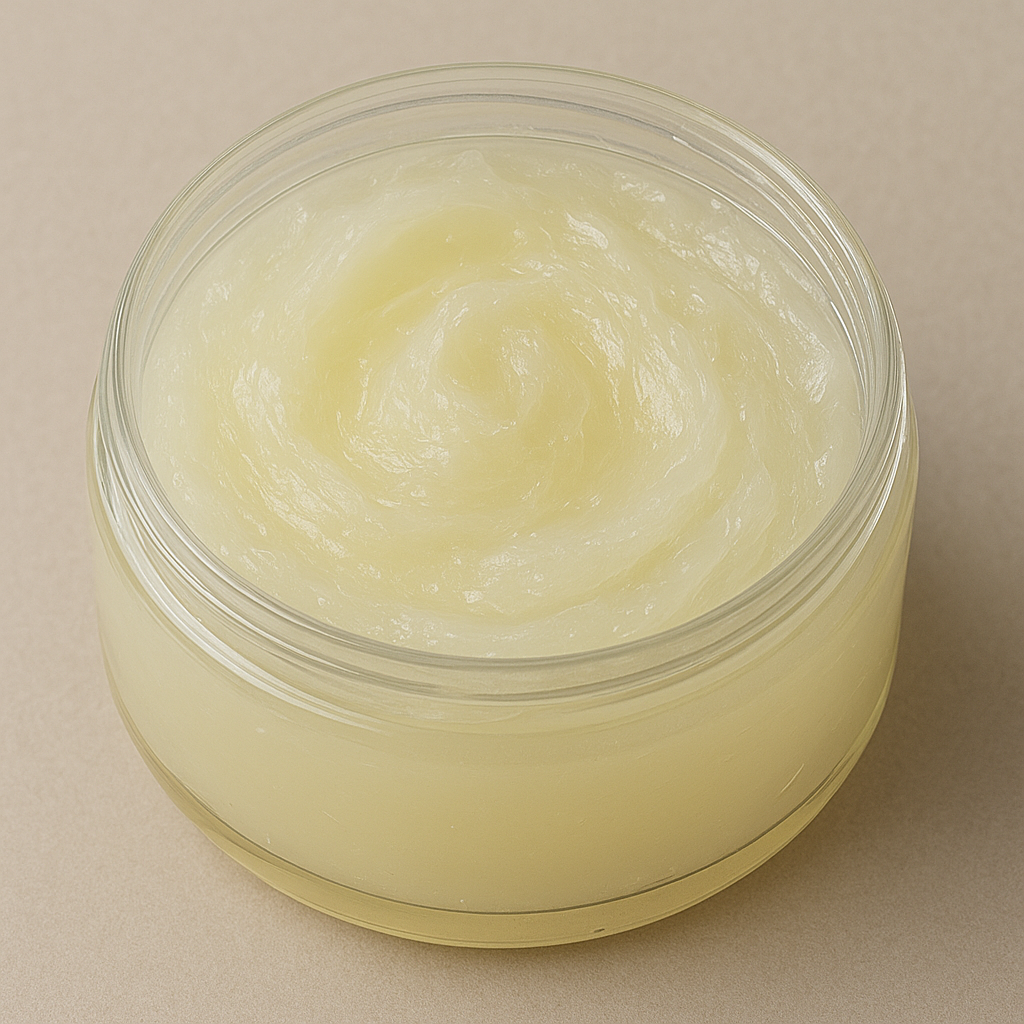
| PEG 1000–4000 | Semi-solid | Creams, ointments, personal care |
| PEG 6000–8000 | Solid (wax) | Tablet excipients, laxatives, food-grade use |
🌍 Major Exporting Countries:
China, India, Germany, South Korea, USA
🌎 Major Importing Countries:
Turkey, Iran, Egypt, Saudi Arabia, UAE
🔎 SEO Keywords:
polyethylene glycol supplier, PEG 400 pharma grade, PEG 6000 cosmetic, pharmaceutical excipient, PEG food additive